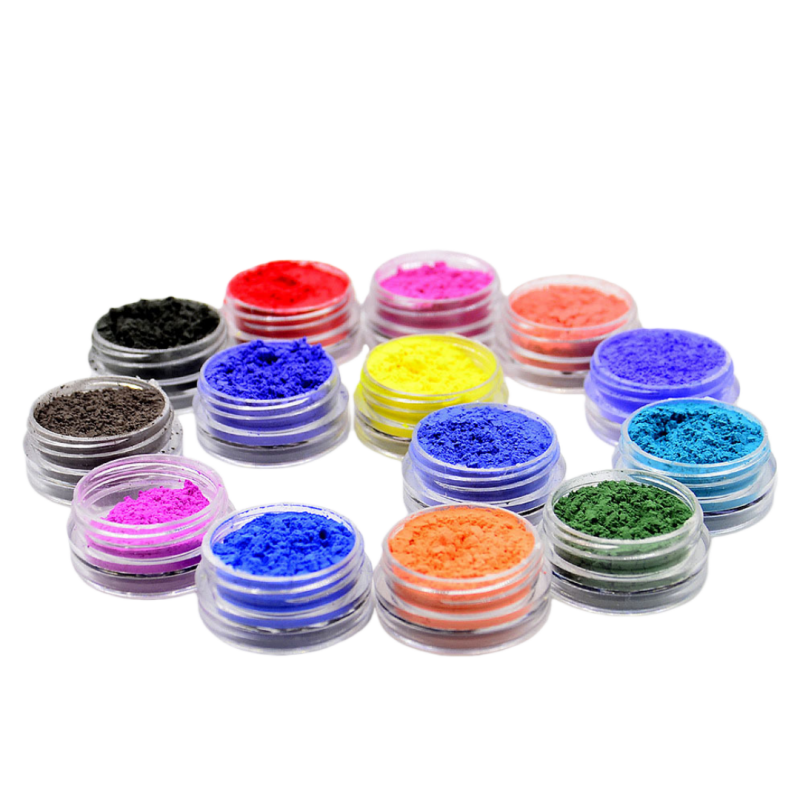
Pigments thermochromiques –The Science of Change:
Thermochromic Pigment are “smart” colorants that change their appearance in response to temperature fluctuations. Unlike traditional static dyes, these pigments act as a visual thermometer, transitioning between colors or moving from a solid hue to a transparent state once a specific thermal threshold—known as the Activation Point—is reached.
Pigments thermochromiques sont des microcapsules thermochromiques sous forme de pigment spoudre. They have been specially designed for use in non aqueous based ink systems although their use is not limited.
Ils peuvent être utilisés pour formuler des, Uv, Écran, Compenser, Formulations gravures et encre époxy (pour les applications aqueuses, nous vous recommandons d'utiliser des boues thermochromiques).
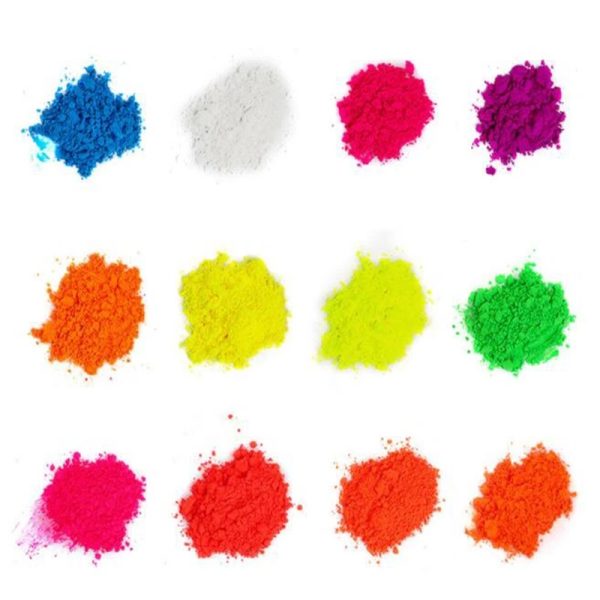
Les poudres thermochromiques sont colorées en dessous d'une température spécifique, et passer à l'incolore ou à un autre, couleur plus claire comme ils sont chauffés à travers la plage de température. Ces pigments sont disponibles dans différentes couleurs et températures d'activation.
How It Works: The Microencapsulation Secret
Modern thermochromic pigments (primarily Leuco Dyes) are engineered through advanced microencapsulation. Inside each microscopic droplet is a complex mixture of a color-former, a color-developer, and a solvent.
- Below Threshold: The internal components are in a solid state, allowing the molecules to interact and reflect a vibrant color.
- At Activation Point: As heat is applied, the internal solvent melts. This physically separates the color-former from the developer.
- The Result: The pigment becomes colorless (translucent), revealing whatever is underneath—whether it’s a hidden message, a secondary base color, or a printed graphic.
- Reversibility: Once the heat source is removed and the material cools, the process reverses, and the original color “magically” reappears.
Key Features & Performance
- Precision Temperature Windows: Pigments can be calibrated to react at specific points, ranging from -15℃ (5°F) for cold-chain packaging to 70℃ (158°F) for industrial safety warnings.
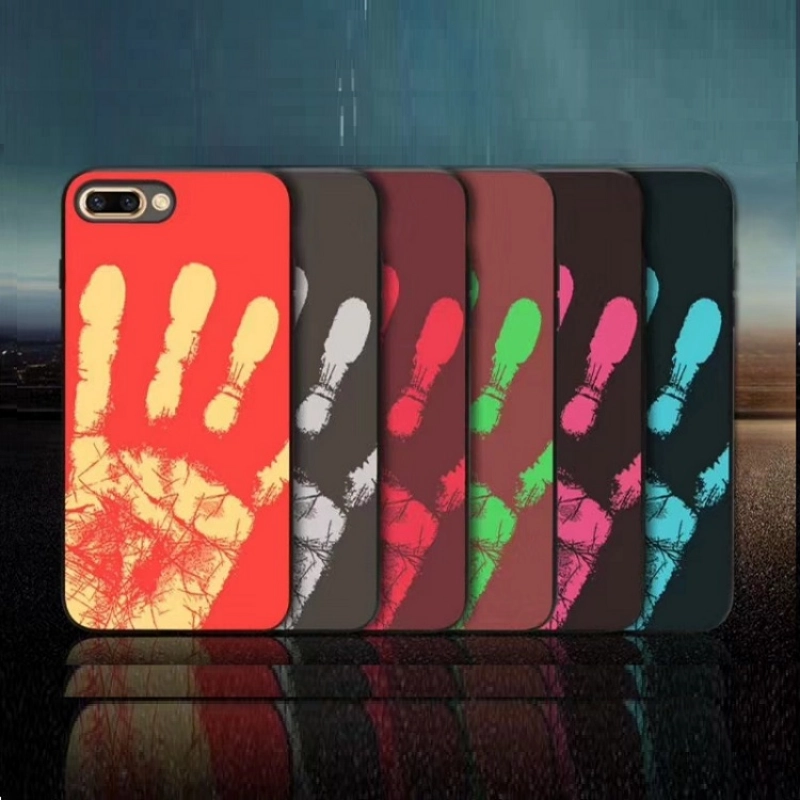
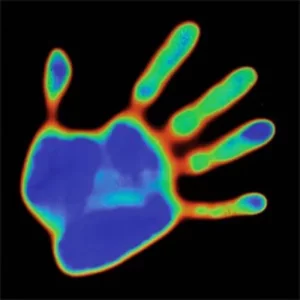
- Body-Heat Sensitivity: The most popular grade activates at 31℃ (88°F). This makes the pigment change color instantly upon human touch, perfect for interactive marketing and textiles.
- High Contrast: Provides a sharp, visual “On/Off” signal that is much faster for the human brain to process than reading a digital display.
- Versatile Mediums: Available as a fine powder or a water-based slurry, it can be mixed into epoxy resins, screen-printing inks, matières plastiques (injection molding), and industrial coatings.
Industrial vs. Creative Applications
| Application | Usage Scenario | Purpose |
| Smart Packaging | Beer cans or wine labels. | “Perfect Chill” indicator for the consumer. |
| Industrial Safety | Steam pipes or electrical cables. | Visual warning of overheating or “hot to touch” surfaces. |
| Smart Textiles | Fitness apparel or high-fashion. | Changes color based on body heat or environmental temp. |
| Security & Logic | Anti-counterfeit labels. | Authenticate products by simply rubbing the label with a finger. |
| Creative Arts | Coffee mugs and “magic” art. | Reveals a hidden image when a hot beverage is added. |
Couleurs standard: Noir, Bleu, Magenta, Vert, Orange & Rouge.
Températures d'activation standard: 15℃, 31℃ ,37℃ ,47℃. (customize -15°C – 80℃)
Spécifications techniques
Solides: 98% +/- 2%
Taille des particules: <6 Microns (97%)
Vitesse légère (Échelle de laine bleue): 1 – 2
Durée: 12 mois
Toutes les matières premières utilisées pour la production de pigments thermochromiques sont répertoriées dans EINECS, TSCA et DSL/NDSL.
Stockage et manutention
Les poudres thermochromiques sont plus sensibles aux influences des solvants, Lumière UV, Ph, Cisaillement et température que de nombreux autres types de pigments. Il convient de noter qu'il ya des différences dans les performances des différentes couleurs de sorte que chacun doit être soigneusement testé avant l'application commerciale.
Les poudres thermochromiques ont une excellente stabilité lorsqu'elles sont stockées loin de la chaleur. Conserver en dessous de 25oC. Ne pas laisser geler, car cela endommagera les capsules thermochromiques. Une durée de conservation de 12 mois est garanti à condition que le matériel soit stocké dans un environnement frais et sombre. L'exposition à long terme à la lumière UV ou à une température élevée peut entraîner une perte de la fonction thermochromique. Le stockage de plus de douze mois n'est pas recommandé.