The Science of Brighter Whites: Optical Brightener
Optical Brightener, also known as Fluorescent Whitening Agents (FWAs), are specialized chemical compounds designed to enhance the appearance of color in fabrics, プラスチックス, and paper. Unlike bleaches—which chemically remove stains—optical brighteners work through a clever “optical illusion” that makes materials appear whiter, cleaner, and more brilliant than they actually are.
How optical brightener Work: The “Blue Shift”
Most natural materials (like cotton or recycled plastic) have a slight yellow tint because they absorb a small amount of blue light from the visible spectrum. Optical brighteners fix this using fluorescence:
- UV Absorption: The molecules absorb invisible ultraviolet (UV) light from the sun or overhead lighting.
- Re-emission: They convert that energy and re-emit it as visible blue light.
- The Result: The extra blue light masks the natural yellowness of the material. This creates a “whiter-than-white” effect that the human eye perceives as extreme cleanliness or high-end quality.
Key Features & Benefits for Optical brightener
Neutralizing Yellowing: Essential for maintaining the “new” look of white textiles and preventing the aging look of clear plastics.
- Low Dosage, High Impact: These agents are incredibly potent; even a tiny amount (often less than 0.05%) can drastically change the visual brightness of a product.
- Heat Stability: High-grade industrial brighteners (like OB-1) can withstand temperatures up to 360°C, making them perfect for high-heat plastic injection molding.
- Lightfastness: Quality brighteners are engineered to resist degradation from sunlight, ensuring the “bright” effect lasts for the life of the product.
Common Industrial Grades
In the manufacturing world, optical brighteners are categorized by their specific strengths:
| Grade | Primary Use Case | Best Feature |
| OB | Paints, inks, and soft plastics (PVC/EVA). | Excellent solubility and light resistance. |
| OB-1 | Engineering plastics (ペット, お父さん, パソコン) and polyester fiber. | Extreme heat stability for high-temp molding. |
| KCB | Synthetic leather and shoe soles. | Vivid blue-violet tone; great for “icy” finishes. |
| KSB | Coatings and transparent films. | Superior compatibility with various polymers. |
Popular Applications
-
Consumer Detergents: The “blue specks” or liquid additives in laundry soap that keep your white shirts looking crisp after dozens of washes.
-
Plastics & Packaging: Used in everything from white milk jugs to clear cosmetic bottles to ensure the plastic looks “clean” rather than recycled or dull.
-
Paper Manufacturing: High-quality printer paper uses these agents to achieve high ISO brightness levels for sharper text contrast.
-
Textiles: Essential for the production of synthetic fibers like polyester and nylon to achieve a “bleached” aesthetic without damaging the fiber’s integrity.
化学名:
2,5-チオフェンジルビス(5-tert-ブチル-1,3-ベンゾオキサゾール)
同義語名:
Uvitex Ob, チノパールOB, 蛍光増白剤 184 (FBの 184) , C.I.184, 蛍光増白剤OB
仕様:
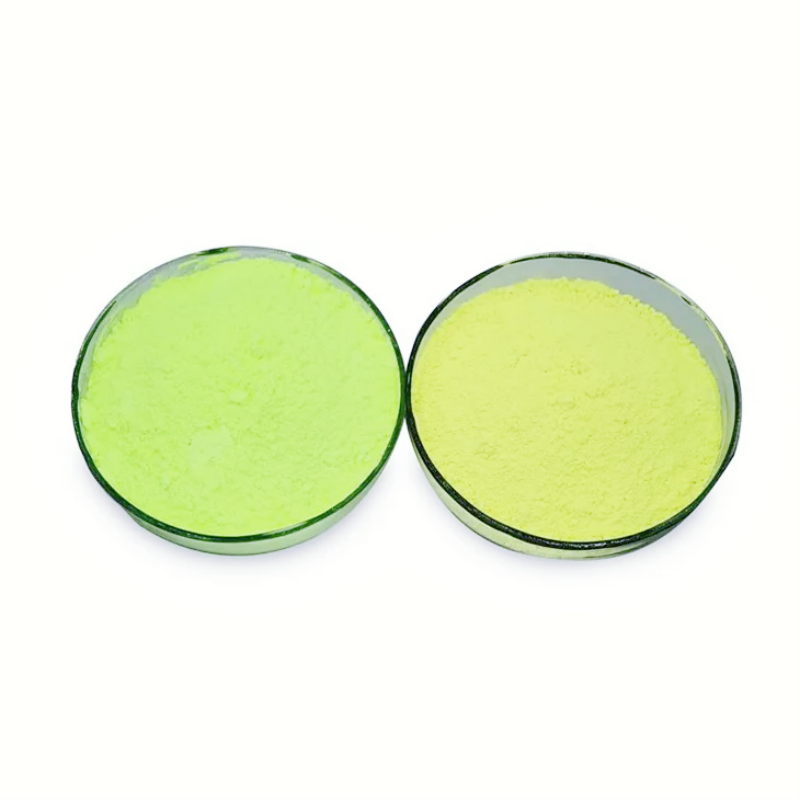
| 様子 | わずかに緑がかった黄色の粉末 |
| 投与量 | 0.01-0.05% |
| 融点 | 196-200°C |
| 純度 | ≥99% |
| 可溶性 | (g/100gソリューション) 20°Cで: |
| アセトン | 0.5 |
| クロロホルム | 14 |
| ジメチルホルムアミド | 0.8 |
| ジオキサン | 2 |
| n-ヘキサン | 0.2 |
| メタノール | <0.1 |
| メチルエチルケトン | 1.3 |
| トリクレシルホスフェート | 0.8 |
| キシレン | 5 |
アプリケーション:
>顔立ち:鮮やかな青みがかった美白効果; 優れた耐熱性; 高い化学的安定性; 幅広い樹脂との相溶性が良い.
>蛍光増白剤OBは、蛍光増白剤として使用され、ポリマーの黄色さを相殺し、より白い外観をもたらすために使用されます. 主に熱可塑性樹脂として使用 (PVC製, 追伸, ティッカー, ポリプロピレン, 米国船級協会) 蛍光増白剤. コーティングにも, 印刷インキ, 塗料, 染料, 製造された繊維, 合成皮革, ワックス, 脂肪, とオイル. 屋内での使用のみを推奨します.
>OBを紫外線吸収剤と組み合わせて使用する必要がある場合は, 後者の吸収スペクトルは、蛍光増白剤obのためにUVAの近くに開いた窓を残さなければなりません.
>推奨濃度:0.02-5% 用途と希望の白色度の程度によって異なります.
取り扱いと安全性:
>FDAは、以下の制限の対象となるポリマーでの使用を承認しました。 21 CFR §176.170(c).
>追加の取り扱いおよび毒物学的情報, ご相談ください 母体安全デートシート.
パッケージ:
25ファイバードラムあたりのkg, 6*2 層 12 パレットあたりのドラム, 5トン当たりのCBM,または顧客の要求に応じて.